News
November 21, 2025
North Dakota Ethics Commission considers fines for 'weaponizing' complaint process
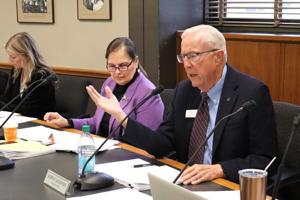
The North Dakota Ethics Commission is considering establishing a penalty for complaints filed in bad faith.
**North Dakota Ethics Commission Mulls Fines for Abusive Complaints**
BISMARCK, ND – The North Dakota Ethics Commission is grappling with a growing concern: the misuse of the ethics complaint process. To combat what some are calling the "weaponization" of complaints, the commission is actively exploring the possibility of implementing fines for individuals who file complaints deemed to be made in bad faith.
The move comes as the commission has seen a rise in complaints that appear to be politically motivated or designed to harass public officials, rather than address genuine ethical breaches. While the Ethics Commission is committed to thoroughly investigating all legitimate allegations of wrongdoing, these frivolous complaints bog down the system, diverting valuable resources and potentially damaging the reputations of those unfairly targeted.
“Our primary goal is to ensure accountability and transparency in government,” explained a spokesperson for the Ethics Commission. “However, the system can be exploited if complaints are filed with malicious intent or without reasonable grounds. This not only undermines the integrity of the process but also hinders our ability to address actual violations effectively.”
The proposed fines would serve as a deterrent, discouraging individuals from using the complaint process as a tool for personal vendettas or political maneuvering. The commission is currently working to define what constitutes a “bad faith” complaint, taking into consideration factors such as the evidence presented, the motivation behind the complaint, and whether the complainant had a reasonable belief that a violation had occurred.
The discussion around potential penalties is still in its early stages. The Ethics Commission will likely hold public hearings and solicit feedback from legal experts, public officials, and the general public before making any final decisions. Key considerations include ensuring that any penalties are fair, proportionate, and do not discourage legitimate whistleblowers from coming forward with genuine concerns.
The commission understands the importance of striking a balance between protecting public officials from unfounded accusations and ensuring that the public has a mechanism to hold them accountable. The implementation of fines would be a significant step towards safeguarding the integrity of the ethics complaint process and ensuring that it serves its intended purpose: upholding ethical conduct in North Dakota's government. The potential change signals a commitment to fairness and efficiency within the ethics oversight system.
BISMARCK, ND – The North Dakota Ethics Commission is grappling with a growing concern: the misuse of the ethics complaint process. To combat what some are calling the "weaponization" of complaints, the commission is actively exploring the possibility of implementing fines for individuals who file complaints deemed to be made in bad faith.
The move comes as the commission has seen a rise in complaints that appear to be politically motivated or designed to harass public officials, rather than address genuine ethical breaches. While the Ethics Commission is committed to thoroughly investigating all legitimate allegations of wrongdoing, these frivolous complaints bog down the system, diverting valuable resources and potentially damaging the reputations of those unfairly targeted.
“Our primary goal is to ensure accountability and transparency in government,” explained a spokesperson for the Ethics Commission. “However, the system can be exploited if complaints are filed with malicious intent or without reasonable grounds. This not only undermines the integrity of the process but also hinders our ability to address actual violations effectively.”
The proposed fines would serve as a deterrent, discouraging individuals from using the complaint process as a tool for personal vendettas or political maneuvering. The commission is currently working to define what constitutes a “bad faith” complaint, taking into consideration factors such as the evidence presented, the motivation behind the complaint, and whether the complainant had a reasonable belief that a violation had occurred.
The discussion around potential penalties is still in its early stages. The Ethics Commission will likely hold public hearings and solicit feedback from legal experts, public officials, and the general public before making any final decisions. Key considerations include ensuring that any penalties are fair, proportionate, and do not discourage legitimate whistleblowers from coming forward with genuine concerns.
The commission understands the importance of striking a balance between protecting public officials from unfounded accusations and ensuring that the public has a mechanism to hold them accountable. The implementation of fines would be a significant step towards safeguarding the integrity of the ethics complaint process and ensuring that it serves its intended purpose: upholding ethical conduct in North Dakota's government. The potential change signals a commitment to fairness and efficiency within the ethics oversight system.
Category:
Politics