
News
November 29, 2025
NISAR satellite deploys 12-metre diameter antenna, enters science phase
The antenna plays a key role for both ISRO's S-Band and NASA's L-Band Synthetic Aperture Radar payload
**NISAR Satellite's Giant Eye Opens, Ready to Scan Earth**
The joint NASA-ISRO Synthetic Aperture Radar (NISAR) satellite has successfully deployed its massive 12-meter diameter antenna, marking a pivotal moment as it officially enters its science phase. This crucial deployment signifies the readiness of the satellite to begin its groundbreaking mission of monitoring Earth's ecosystems and dynamic changes with unprecedented detail.
The antenna, resembling a large, intricately woven mesh, is the cornerstone of NISAR's advanced radar imaging system. Its size is essential for collecting the faint radar signals bounced back from Earth's surface, allowing the satellite to "see" through clouds and darkness. This all-weather capability sets NISAR apart and ensures continuous data collection, regardless of environmental conditions.
The antenna plays a critical role in supporting both of NISAR's sophisticated radar instruments. These instruments include the Indian Space Research Organisation's (ISRO) S-Band Synthetic Aperture Radar and NASA’s L-Band Synthetic Aperture Radar. These two radars, operating at different wavelengths, will work in tandem to provide a comprehensive view of Earth. The S-band radar is particularly sensitive to changes in vegetation, while the L-band radar can penetrate deeper into forests and ice, providing information about subsurface features.
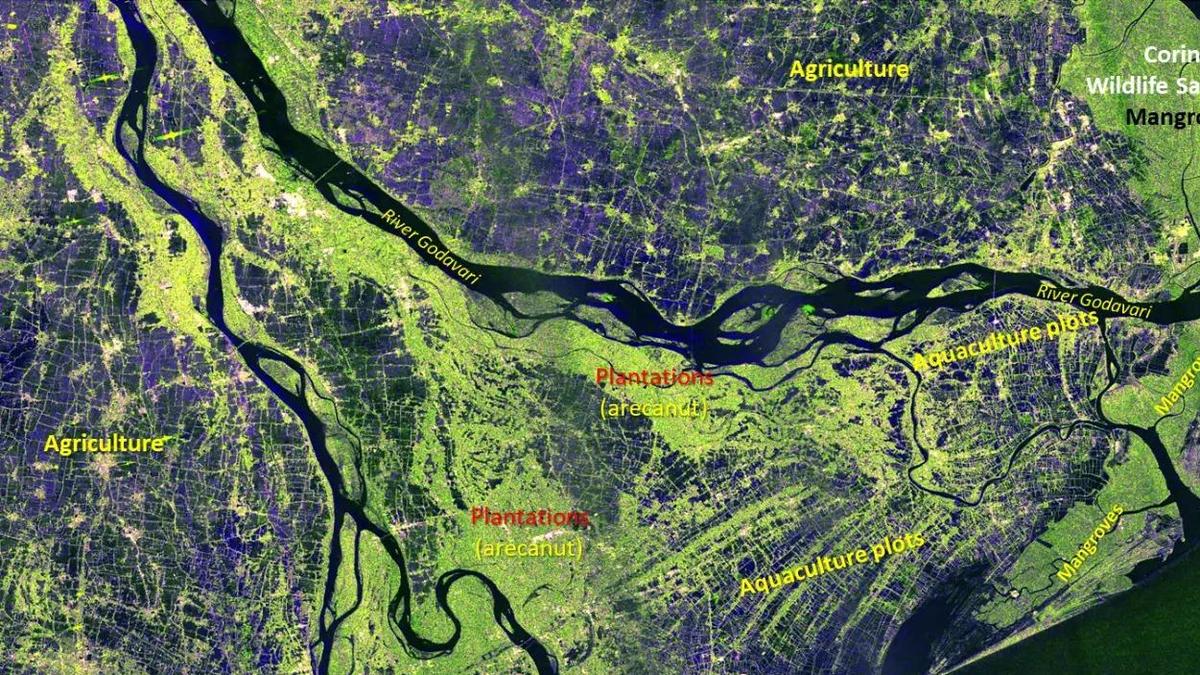
By simultaneously collecting data at two different frequencies, NISAR will be able to generate highly detailed images and maps of Earth's surface. This wealth of information will be invaluable for a wide range of applications, including tracking deforestation, monitoring agricultural practices, assessing glacier and ice sheet dynamics, and studying natural hazards like earthquakes and volcanoes.
Scientists around the globe eagerly await the data that NISAR will provide. The mission promises to revolutionize our understanding of Earth's complex systems and provide crucial insights for addressing pressing environmental challenges. The successful deployment of the antenna is a major milestone, paving the way for NISAR to begin its groundbreaking work and contribute significantly to our knowledge of our changing planet. The mission is expected to provide data for at least three years, offering a long-term perspective on Earth's dynamic processes.
The joint NASA-ISRO Synthetic Aperture Radar (NISAR) satellite has successfully deployed its massive 12-meter diameter antenna, marking a pivotal moment as it officially enters its science phase. This crucial deployment signifies the readiness of the satellite to begin its groundbreaking mission of monitoring Earth's ecosystems and dynamic changes with unprecedented detail.
The antenna, resembling a large, intricately woven mesh, is the cornerstone of NISAR's advanced radar imaging system. Its size is essential for collecting the faint radar signals bounced back from Earth's surface, allowing the satellite to "see" through clouds and darkness. This all-weather capability sets NISAR apart and ensures continuous data collection, regardless of environmental conditions.
The antenna plays a critical role in supporting both of NISAR's sophisticated radar instruments. These instruments include the Indian Space Research Organisation's (ISRO) S-Band Synthetic Aperture Radar and NASA’s L-Band Synthetic Aperture Radar. These two radars, operating at different wavelengths, will work in tandem to provide a comprehensive view of Earth. The S-band radar is particularly sensitive to changes in vegetation, while the L-band radar can penetrate deeper into forests and ice, providing information about subsurface features.
By simultaneously collecting data at two different frequencies, NISAR will be able to generate highly detailed images and maps of Earth's surface. This wealth of information will be invaluable for a wide range of applications, including tracking deforestation, monitoring agricultural practices, assessing glacier and ice sheet dynamics, and studying natural hazards like earthquakes and volcanoes.
Scientists around the globe eagerly await the data that NISAR will provide. The mission promises to revolutionize our understanding of Earth's complex systems and provide crucial insights for addressing pressing environmental challenges. The successful deployment of the antenna is a major milestone, paving the way for NISAR to begin its groundbreaking work and contribute significantly to our knowledge of our changing planet. The mission is expected to provide data for at least three years, offering a long-term perspective on Earth's dynamic processes.
Category:
Technology