
News
November 29, 2025
Prostate cancer screening: Committee says no to testing all men
The UK National Screening Committee said there were more harms than benefits to using the PSA test for screening all men.
**Prostate Cancer Screening: Committee Says No to Testing All Men**
In a move that could spark debate amongst men and healthcare professionals, the UK National Screening Committee (UK NSC) has advised against the widespread use of the Prostate-Specific Antigen (PSA) test to screen all men for prostate cancer. The committee, responsible for advising the government on screening programs, concluded that the potential harms associated with population-wide PSA screening outweigh the potential benefits.
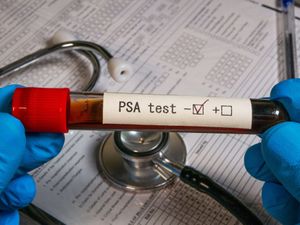
The PSA test is a blood test that measures the level of PSA, a protein produced by the prostate gland. Elevated PSA levels can indicate prostate cancer, but they can also be caused by other, non-cancerous conditions like an enlarged prostate or infection. This lack of specificity is at the heart of the committee's concerns.
According to the UK NSC, the main drawback of screening every man with the PSA test is the high rate of "false positives." A false positive result means the test indicates cancer when none exists. This can lead to unnecessary anxiety for men and can trigger further, more invasive investigations like biopsies, which carry their own risks of pain, infection, and bleeding.
Furthermore, the committee highlighted the issue of "overdiagnosis." Prostate cancer often grows very slowly, and some men with the disease may never experience any symptoms or require treatment. Screening can detect these slow-growing cancers, leading to treatment that might not be necessary. This overtreatment can have significant side effects, including erectile dysfunction and urinary incontinence, negatively impacting a man's quality of life.
The UK NSC isn't suggesting ignoring prostate cancer altogether. They emphasize the importance of raising awareness about prostate cancer symptoms and encouraging men to discuss any concerns with their doctor. Men experiencing symptoms like frequent urination, difficulty urinating, or blood in urine should seek medical advice.
The decision reflects a cautious approach to screening, emphasizing the need for a careful balance between early detection and minimizing harm. While the PSA test can be a valuable tool in certain circumstances, the UK NSC believes that offering it to all men would cause more harm than good. The debate is likely to continue as researchers explore more accurate and less invasive methods of prostate cancer detection.
In a move that could spark debate amongst men and healthcare professionals, the UK National Screening Committee (UK NSC) has advised against the widespread use of the Prostate-Specific Antigen (PSA) test to screen all men for prostate cancer. The committee, responsible for advising the government on screening programs, concluded that the potential harms associated with population-wide PSA screening outweigh the potential benefits.
The PSA test is a blood test that measures the level of PSA, a protein produced by the prostate gland. Elevated PSA levels can indicate prostate cancer, but they can also be caused by other, non-cancerous conditions like an enlarged prostate or infection. This lack of specificity is at the heart of the committee's concerns.
According to the UK NSC, the main drawback of screening every man with the PSA test is the high rate of "false positives." A false positive result means the test indicates cancer when none exists. This can lead to unnecessary anxiety for men and can trigger further, more invasive investigations like biopsies, which carry their own risks of pain, infection, and bleeding.
Furthermore, the committee highlighted the issue of "overdiagnosis." Prostate cancer often grows very slowly, and some men with the disease may never experience any symptoms or require treatment. Screening can detect these slow-growing cancers, leading to treatment that might not be necessary. This overtreatment can have significant side effects, including erectile dysfunction and urinary incontinence, negatively impacting a man's quality of life.
The UK NSC isn't suggesting ignoring prostate cancer altogether. They emphasize the importance of raising awareness about prostate cancer symptoms and encouraging men to discuss any concerns with their doctor. Men experiencing symptoms like frequent urination, difficulty urinating, or blood in urine should seek medical advice.
The decision reflects a cautious approach to screening, emphasizing the need for a careful balance between early detection and minimizing harm. While the PSA test can be a valuable tool in certain circumstances, the UK NSC believes that offering it to all men would cause more harm than good. The debate is likely to continue as researchers explore more accurate and less invasive methods of prostate cancer detection.
Category:
Politics