
News
November 28, 2025
Americans are moving out of flood-prone neighborhoods
For the first time since 2019, more residents are leaving high-flood-risk counties than entering them, though the exodus is still being offset somewhat by immigration.
**Americans are moving out of flood-prone neighborhoods**
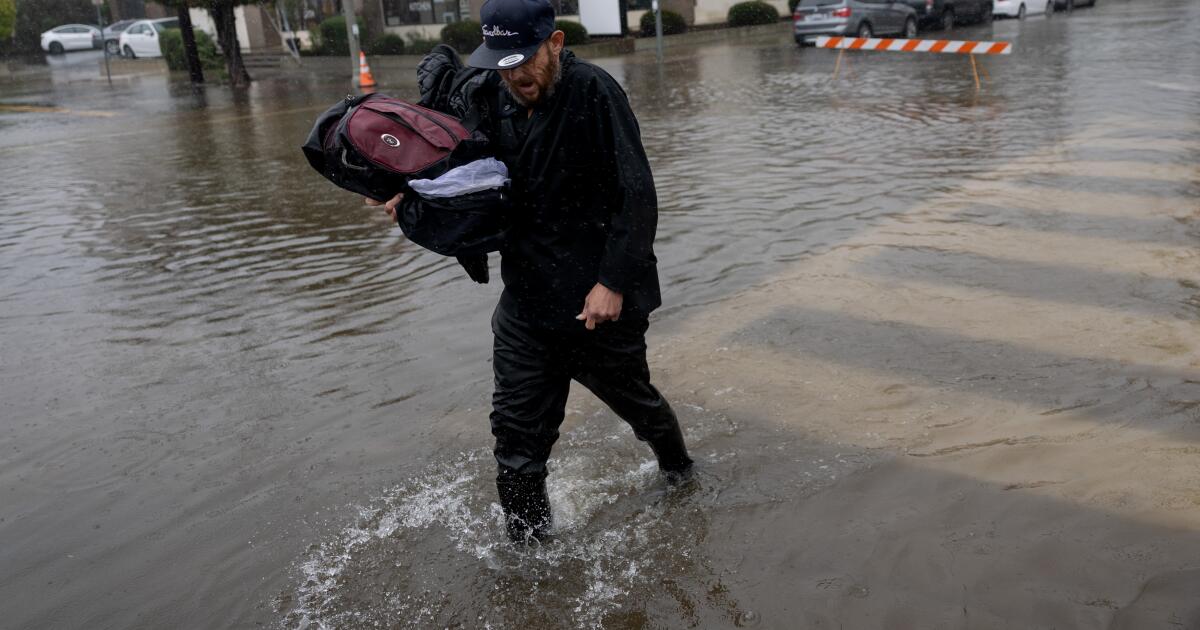
A significant shift is underway in American residential patterns, as more people are choosing to leave counties with a high risk of flooding than are moving into them. This marks the first time since 2019 that this trend has been observed, signaling a growing awareness and concern about the increasing dangers posed by climate change and extreme weather events.
For years, despite the looming threat of rising sea levels and intensified storms, many flood-prone areas continued to attract new residents, driven by factors like affordable housing, proximity to coastal amenities, or established family ties. However, recent data reveals a change in this dynamic. More Americans are now prioritizing safety and security over these traditional draws, opting to relocate to areas perceived as less vulnerable to flooding.
While this exodus from high-risk counties is notable, it's important to note that the overall population balance is still being somewhat influenced by immigration. Newcomers to the United States are continuing to settle in some of these flood-prone areas, partially offsetting the departures of long-term residents. This suggests a complex interplay of factors driving population distribution, including economic opportunities, community connections, and access to resources for immigrant communities.
Experts suggest that the increasing frequency and severity of flooding events in recent years have played a crucial role in this shift. Images of devastated communities, coupled with rising insurance premiums and the growing awareness of the long-term financial risks associated with living in flood zones, have likely contributed to the decision to relocate.
The implications of this trend are far-reaching. As more people move away from flood-prone areas, local economies could suffer, property values could decline, and communities could face challenges in maintaining infrastructure and providing essential services. Furthermore, the increasing concentration of populations in less vulnerable areas could put a strain on resources and infrastructure in those regions.
This emerging trend underscores the urgent need for comprehensive strategies to address the challenges posed by climate change and to support communities in adapting to the increasing risks of flooding. This includes investing in flood mitigation infrastructure, promoting sustainable development practices, and providing residents with the information and resources they need to make informed decisions about where to live. The future of American communities may well depend on our ability to navigate these complex challenges effectively.
A significant shift is underway in American residential patterns, as more people are choosing to leave counties with a high risk of flooding than are moving into them. This marks the first time since 2019 that this trend has been observed, signaling a growing awareness and concern about the increasing dangers posed by climate change and extreme weather events.
For years, despite the looming threat of rising sea levels and intensified storms, many flood-prone areas continued to attract new residents, driven by factors like affordable housing, proximity to coastal amenities, or established family ties. However, recent data reveals a change in this dynamic. More Americans are now prioritizing safety and security over these traditional draws, opting to relocate to areas perceived as less vulnerable to flooding.
While this exodus from high-risk counties is notable, it's important to note that the overall population balance is still being somewhat influenced by immigration. Newcomers to the United States are continuing to settle in some of these flood-prone areas, partially offsetting the departures of long-term residents. This suggests a complex interplay of factors driving population distribution, including economic opportunities, community connections, and access to resources for immigrant communities.
Experts suggest that the increasing frequency and severity of flooding events in recent years have played a crucial role in this shift. Images of devastated communities, coupled with rising insurance premiums and the growing awareness of the long-term financial risks associated with living in flood zones, have likely contributed to the decision to relocate.
The implications of this trend are far-reaching. As more people move away from flood-prone areas, local economies could suffer, property values could decline, and communities could face challenges in maintaining infrastructure and providing essential services. Furthermore, the increasing concentration of populations in less vulnerable areas could put a strain on resources and infrastructure in those regions.
This emerging trend underscores the urgent need for comprehensive strategies to address the challenges posed by climate change and to support communities in adapting to the increasing risks of flooding. This includes investing in flood mitigation infrastructure, promoting sustainable development practices, and providing residents with the information and resources they need to make informed decisions about where to live. The future of American communities may well depend on our ability to navigate these complex challenges effectively.
Category:
Technology