
News
November 22, 2025
'Surrey's new unitary councils decision could impact Hampshire's authorities'
The Government has recently approved the reorganisation of Surrey into two new unitary councils.
**Surrey's Reorganisation Sparks Debate and Potential Ripple Effect Across Hampshire**
The recent approval by the Government to restructure Surrey's local government into two new unitary authorities is sending ripples through neighboring Hampshire, prompting discussions about the future of its own council structures. The decision, impacting how services are delivered and governed across Surrey, has ignited a debate about the efficiency and effectiveness of the current system and whether Hampshire should consider similar reforms.
Currently, Surrey is divided into a two-tier system, consisting of Surrey County Council and eleven district and borough councils. The approved plan will see these dissolved and replaced by two larger unitary authorities, each responsible for all local government functions within their respective boundaries. Proponents of this change argue that it will streamline services, reduce bureaucracy, and save taxpayer money by eliminating duplication and creating economies of scale.
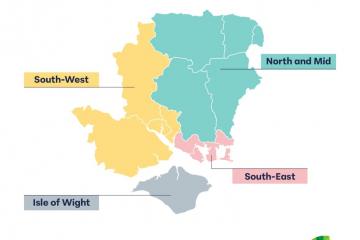
While the changes are specific to Surrey, the implications for Hampshire are significant. Hampshire also operates under a two-tier system, with Hampshire County Council working alongside district councils. The success, or failure, of Surrey's transition will undoubtedly be closely watched by Hampshire's councillors and residents alike.
One potential impact is the possibility of Hampshire authorities feeling pressure to demonstrate their own value and efficiency. The argument for unitary authorities often centers on cost savings and improved service delivery. If Surrey's new structure proves successful in these areas, Hampshire councils might face increased scrutiny and calls for similar reforms.
Furthermore, the decision could reignite existing debates about local government reorganisation within Hampshire. Discussions about merging districts or even creating unitary authorities have surfaced periodically over the years, often met with resistance from councils protective of their autonomy and identity. Surrey's experience could provide a fresh impetus for these discussions, potentially leading to new proposals for restructuring Hampshire's local government landscape.
The long-term effects remain to be seen, but one thing is clear: Surrey's reorganisation has set in motion a chain of events that could reshape the future of local government in the wider region, with Hampshire now firmly in the spotlight. The coming months will be crucial as stakeholders analyze the implications and consider the best path forward for their communities.
The recent approval by the Government to restructure Surrey's local government into two new unitary authorities is sending ripples through neighboring Hampshire, prompting discussions about the future of its own council structures. The decision, impacting how services are delivered and governed across Surrey, has ignited a debate about the efficiency and effectiveness of the current system and whether Hampshire should consider similar reforms.
Currently, Surrey is divided into a two-tier system, consisting of Surrey County Council and eleven district and borough councils. The approved plan will see these dissolved and replaced by two larger unitary authorities, each responsible for all local government functions within their respective boundaries. Proponents of this change argue that it will streamline services, reduce bureaucracy, and save taxpayer money by eliminating duplication and creating economies of scale.
While the changes are specific to Surrey, the implications for Hampshire are significant. Hampshire also operates under a two-tier system, with Hampshire County Council working alongside district councils. The success, or failure, of Surrey's transition will undoubtedly be closely watched by Hampshire's councillors and residents alike.
One potential impact is the possibility of Hampshire authorities feeling pressure to demonstrate their own value and efficiency. The argument for unitary authorities often centers on cost savings and improved service delivery. If Surrey's new structure proves successful in these areas, Hampshire councils might face increased scrutiny and calls for similar reforms.
Furthermore, the decision could reignite existing debates about local government reorganisation within Hampshire. Discussions about merging districts or even creating unitary authorities have surfaced periodically over the years, often met with resistance from councils protective of their autonomy and identity. Surrey's experience could provide a fresh impetus for these discussions, potentially leading to new proposals for restructuring Hampshire's local government landscape.
The long-term effects remain to be seen, but one thing is clear: Surrey's reorganisation has set in motion a chain of events that could reshape the future of local government in the wider region, with Hampshire now firmly in the spotlight. The coming months will be crucial as stakeholders analyze the implications and consider the best path forward for their communities.
Category:
Politics