
News
November 19, 2025
‘Nothing beats a Jet2 Holiday’: How the algorithm reintroduces forgotten tracks
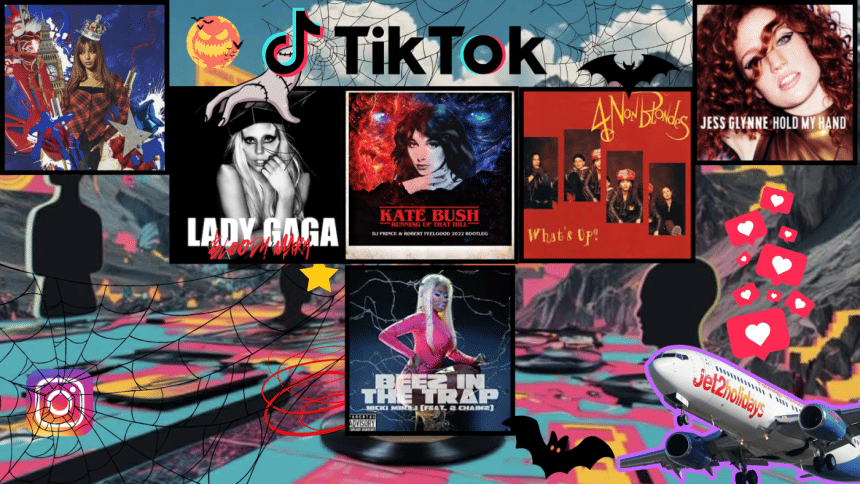
Every few weeks, yet another old song seems to find its way back into the spotlight. Once off the charts, they are suddenly everywhere again – resurfacing in TikTok videos and Instagram Reels as if they never left. These unexpected comebacks have now become the most fascinating patterns in today’s algorithm-led music culture. And now the question is whether listeners are drawn to the song itself, or to the catchy edit that’s keeping audiences hooked.
The music industry is experiencing a fascinating phenomenon: forgotten hits are making a roaring comeback, thanks to the power of algorithms. Songs that once faded from radio waves and record store shelves are now dominating TikTok feeds and Instagram Reels, leaving listeners wondering how these blasts from the past suddenly became so popular.
It's a recurring cycle. Every few weeks, another seemingly dormant track bursts back into the mainstream consciousness. One day it's a faint memory, the next it's the soundtrack to countless user-generated videos. This resurgence isn't happening by accident; it's a direct result of how algorithms curate and distribute content on social media platforms. These algorithms analyze user behavior, identifying trends and patterns to deliver content that's likely to resonate. In essence, they're acting as digital curators, rediscovering and re-presenting older songs to a new generation.
This algorithmic revival raises an interesting question: what's driving this renewed interest in these forgotten tracks? Is it the inherent quality of the song itself, finally getting the recognition it deserves? Or is it the way these songs are being repackaged and presented in short, catchy edits that perfectly suit the fast-paced nature of social media?
The answer is likely a combination of both. A good song is a good song, regardless of when it was released. However, the way these songs are being used on platforms like TikTok plays a significant role in their resurgence. Clever edits, viral dance challenges, and relatable meme formats all contribute to a song's newfound popularity. These short-form videos often highlight the catchiest parts of a song, making it instantly memorable and shareable.
Ultimately, this algorithmic rediscovery is reshaping how we consume music. It's creating a space where older songs can find new audiences and where artists, both past and present, can benefit from the power of viral trends. While the reasons behind these comebacks are complex, one thing is clear: the algorithm is playing a crucial role in keeping the music landscape fresh and unpredictable.
It's a recurring cycle. Every few weeks, another seemingly dormant track bursts back into the mainstream consciousness. One day it's a faint memory, the next it's the soundtrack to countless user-generated videos. This resurgence isn't happening by accident; it's a direct result of how algorithms curate and distribute content on social media platforms. These algorithms analyze user behavior, identifying trends and patterns to deliver content that's likely to resonate. In essence, they're acting as digital curators, rediscovering and re-presenting older songs to a new generation.
This algorithmic revival raises an interesting question: what's driving this renewed interest in these forgotten tracks? Is it the inherent quality of the song itself, finally getting the recognition it deserves? Or is it the way these songs are being repackaged and presented in short, catchy edits that perfectly suit the fast-paced nature of social media?
The answer is likely a combination of both. A good song is a good song, regardless of when it was released. However, the way these songs are being used on platforms like TikTok plays a significant role in their resurgence. Clever edits, viral dance challenges, and relatable meme formats all contribute to a song's newfound popularity. These short-form videos often highlight the catchiest parts of a song, making it instantly memorable and shareable.
Ultimately, this algorithmic rediscovery is reshaping how we consume music. It's creating a space where older songs can find new audiences and where artists, both past and present, can benefit from the power of viral trends. While the reasons behind these comebacks are complex, one thing is clear: the algorithm is playing a crucial role in keeping the music landscape fresh and unpredictable.
Category:
Entertainment