
News
November 20, 2025
Informal settlements generate collective empowerment through locally led action
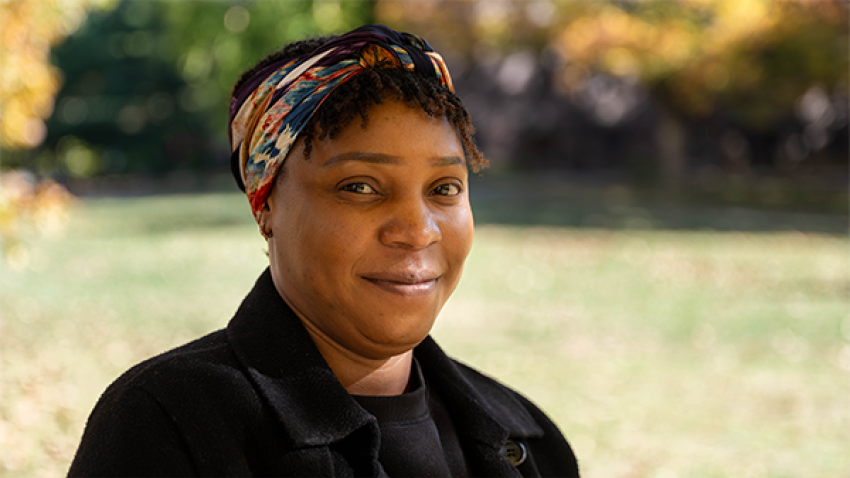
Hosted by the Cornell Mui Ho Center for Cities, Shiela Muganyi — a community research leader from the Zimbabwe Homeless People's Federation and a member of Slum Dwellers International in Zimbabwe — visited AAP to share how mutual exchange and planning for the future can improve the lives of residents in informal settlements.
## Informal Settlements Generate Collective Empowerment Through Locally Led Action
ITHACA, NY - Informal settlements, often facing immense challenges, are proving grounds for resilience and innovative solutions. This was the central message delivered by Shiela Muganyi, a community research leader from the Zimbabwe Homeless People's Federation and a member of Slum Dwellers International in Zimbabwe, during a recent visit to Cornell University's College of Architecture, Art, and Planning (AAP). Hosted by the Cornell Mui Ho Center for Cities, Muganyi shared compelling insights into how locally led action and collaborative planning can dramatically improve the lives of residents in these communities.
Muganyi emphasized the power of "mutual exchange," a process where residents share knowledge, resources, and experiences to collectively address their needs. This approach, she explained, fosters a sense of ownership and agency within the community, empowering individuals to become active participants in shaping their own futures. Instead of relying solely on external aid, residents are equipped to identify their priorities and develop sustainable solutions from the ground up.
Her presentation highlighted the crucial role of planning for the future. By engaging residents in the planning process, informal settlements can move beyond simply reacting to immediate crises and begin to envision and build a better tomorrow. This includes identifying land for housing, improving infrastructure like water and sanitation, and advocating for secure tenure rights. The process, she stressed, is not about imposing external solutions but about facilitating a community-driven vision.
Muganyi showcased several successful initiatives from Zimbabwe, demonstrating how residents, working together, have been able to upgrade their living conditions, improve access to essential services, and advocate for their rights. These examples served as powerful illustrations of the potential that lies within informal settlements when residents are empowered to lead the way.
The visit to Cornell provided a valuable opportunity for students and faculty to learn from Muganyi's extensive experience and gain a deeper understanding of the complexities and possibilities within informal settlements. The Mui Ho Center for Cities aims to foster interdisciplinary research and engagement on urban challenges, and Muganyi's presentation underscored the importance of community-based approaches in addressing these challenges and building more equitable and sustainable cities. The event served as a potent reminder that lasting change comes from empowering communities to shape their own destinies.
ITHACA, NY - Informal settlements, often facing immense challenges, are proving grounds for resilience and innovative solutions. This was the central message delivered by Shiela Muganyi, a community research leader from the Zimbabwe Homeless People's Federation and a member of Slum Dwellers International in Zimbabwe, during a recent visit to Cornell University's College of Architecture, Art, and Planning (AAP). Hosted by the Cornell Mui Ho Center for Cities, Muganyi shared compelling insights into how locally led action and collaborative planning can dramatically improve the lives of residents in these communities.
Muganyi emphasized the power of "mutual exchange," a process where residents share knowledge, resources, and experiences to collectively address their needs. This approach, she explained, fosters a sense of ownership and agency within the community, empowering individuals to become active participants in shaping their own futures. Instead of relying solely on external aid, residents are equipped to identify their priorities and develop sustainable solutions from the ground up.
Her presentation highlighted the crucial role of planning for the future. By engaging residents in the planning process, informal settlements can move beyond simply reacting to immediate crises and begin to envision and build a better tomorrow. This includes identifying land for housing, improving infrastructure like water and sanitation, and advocating for secure tenure rights. The process, she stressed, is not about imposing external solutions but about facilitating a community-driven vision.
Muganyi showcased several successful initiatives from Zimbabwe, demonstrating how residents, working together, have been able to upgrade their living conditions, improve access to essential services, and advocate for their rights. These examples served as powerful illustrations of the potential that lies within informal settlements when residents are empowered to lead the way.
The visit to Cornell provided a valuable opportunity for students and faculty to learn from Muganyi's extensive experience and gain a deeper understanding of the complexities and possibilities within informal settlements. The Mui Ho Center for Cities aims to foster interdisciplinary research and engagement on urban challenges, and Muganyi's presentation underscored the importance of community-based approaches in addressing these challenges and building more equitable and sustainable cities. The event served as a potent reminder that lasting change comes from empowering communities to shape their own destinies.
Category:
Technology