
News
November 30, 2025
How to see Saturn and Jupiter with a telescope
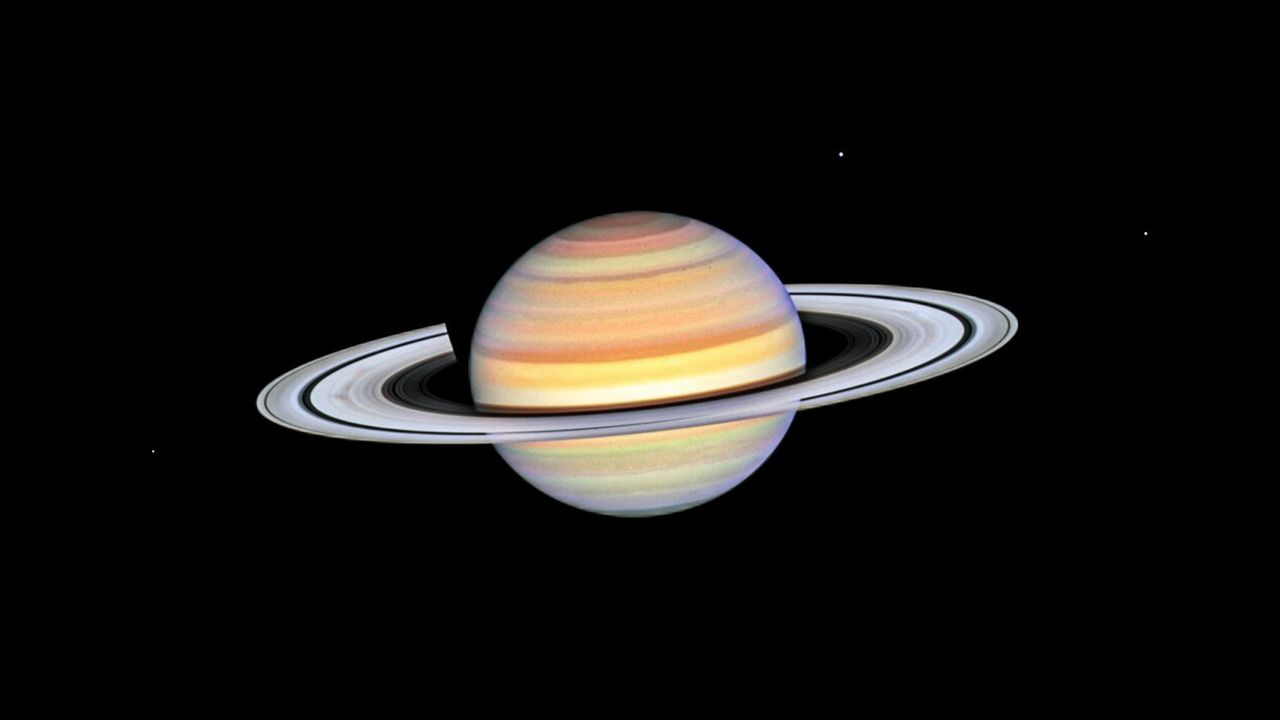
Here are the best telescopes to help you see Saturn’s rings and the cloud bands of Jupiter.
Gazing at the night sky and witnessing the beauty of our solar system is a rewarding experience. For amateur astronomers, seeing Saturn's rings and Jupiter's cloud bands through a telescope is a major highlight. But with so many telescopes on the market, choosing the right one can feel overwhelming. This guide highlights some of the best options to help you observe these celestial wonders.
The key to clearly seeing Saturn's iconic rings and Jupiter's swirling cloud formations lies in the telescope's aperture, which is the diameter of its main lens or mirror. A larger aperture gathers more light, resulting in brighter and sharper images. For decent views of Saturn's rings, a telescope with an aperture of at least 70mm is recommended. To discern the cloud bands on Jupiter and even glimpse its four largest moons (Io, Europa, Ganymede, and Callisto), a telescope with an aperture of 80mm or larger will provide a much better viewing experience.
Refractor telescopes, known for their sharp images and ease of use, are a popular choice for beginners. Models with an aperture of 80mm to 90mm can reveal Saturn's rings as distinct features and show Jupiter's main cloud belts. Reflecting telescopes, which use mirrors to gather light, often offer larger apertures at a more affordable price. A 130mm reflector telescope can provide stunning views of both planets, revealing finer details in Saturn's rings and more intricate patterns in Jupiter's atmosphere.
Beyond aperture, magnification also plays a role. While higher magnification might seem desirable, it's important to remember that it also amplifies any atmospheric turbulence, leading to blurry images. A moderate magnification, typically between 50x and 100x, is usually sufficient for observing Saturn and Jupiter. Experimenting with different eyepieces to find the optimal magnification for the viewing conditions is highly recommended.
Finally, a stable mount is crucial for enjoying clear and steady views. A wobbly mount can make it difficult to focus and observe details, regardless of the telescope's quality. A sturdy tripod and a smooth-moving equatorial or alt-azimuth mount will significantly enhance your observing experience. With the right telescope and a clear night, you'll be well on your way to witnessing the breathtaking beauty of Saturn and Jupiter.
The key to clearly seeing Saturn's iconic rings and Jupiter's swirling cloud formations lies in the telescope's aperture, which is the diameter of its main lens or mirror. A larger aperture gathers more light, resulting in brighter and sharper images. For decent views of Saturn's rings, a telescope with an aperture of at least 70mm is recommended. To discern the cloud bands on Jupiter and even glimpse its four largest moons (Io, Europa, Ganymede, and Callisto), a telescope with an aperture of 80mm or larger will provide a much better viewing experience.
Refractor telescopes, known for their sharp images and ease of use, are a popular choice for beginners. Models with an aperture of 80mm to 90mm can reveal Saturn's rings as distinct features and show Jupiter's main cloud belts. Reflecting telescopes, which use mirrors to gather light, often offer larger apertures at a more affordable price. A 130mm reflector telescope can provide stunning views of both planets, revealing finer details in Saturn's rings and more intricate patterns in Jupiter's atmosphere.
Beyond aperture, magnification also plays a role. While higher magnification might seem desirable, it's important to remember that it also amplifies any atmospheric turbulence, leading to blurry images. A moderate magnification, typically between 50x and 100x, is usually sufficient for observing Saturn and Jupiter. Experimenting with different eyepieces to find the optimal magnification for the viewing conditions is highly recommended.
Finally, a stable mount is crucial for enjoying clear and steady views. A wobbly mount can make it difficult to focus and observe details, regardless of the telescope's quality. A sturdy tripod and a smooth-moving equatorial or alt-azimuth mount will significantly enhance your observing experience. With the right telescope and a clear night, you'll be well on your way to witnessing the breathtaking beauty of Saturn and Jupiter.
Category:
Technology